
Honeybees were kept in Africa from antiquity. The keeping of wild bees in artificial hives by humans is at least 10,000 years old. Thanks to the contributions of science and technology, this ancient practice has evolved tremendously. However, as a new, modern day Black beekeeper, I struggle with many of the accepted practices. Much like my journey to growing my own food, my apiculture journey has been eye-opening and frightening…but not because of the bees.
Since deciding to keep bees earlier this year, I’ve been reading books, watching videos, listening to podcasts, consuming lengthy scientific journals, and everything in-between. All that I’ve been learning got me discouraged and questioning if this was something I wanted to participate in. I can’t imagine keeping bees as livestock to be supplemented with sugar syrup feedings and bred for increased “honey” production. I refuse to dump toxic chemicals into my bee colonies to reduce and/or prevent pest pressure. I won’t use engineered practices that disrupt nature, threaten the bees, and reduce their quality of life. I rebuke the implicit colonizer mindset that without beekeepers the bees couldn’t survive. Data science has proven this thinking to be logically inept and steeped in arrogance since 80% of wild bee colonies survive each year while only 52% of beekeeper-managed colonies survive. I also will NOT perpetuate the industry standard of labeling so-called “aggressive” bees as “africanized” – often even using the two terms synonymously. NOPE. That’s a whole racist rabbit hole rant for another time. This brother does an excellent job of breaking it down though —> watch this 6-min video.
I want to keep bees in a way that nurtures their wild, bridges ancestral knowledge, and magnifies Mother Nature.
Is that possible?
I’m on a mission to find out.
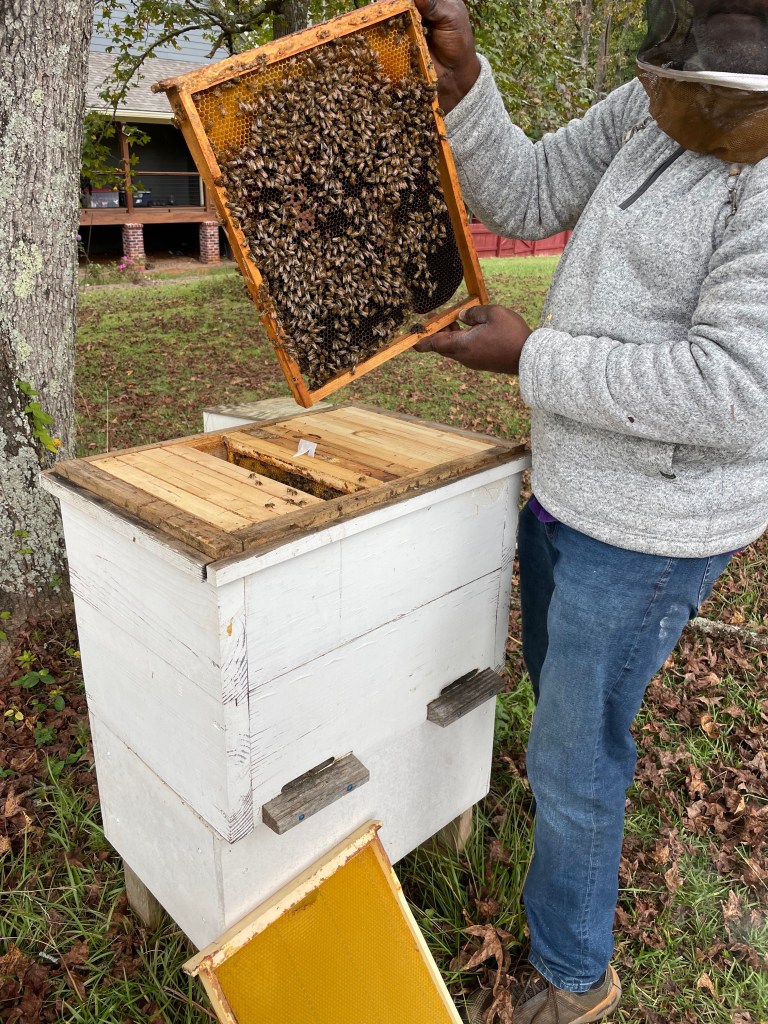
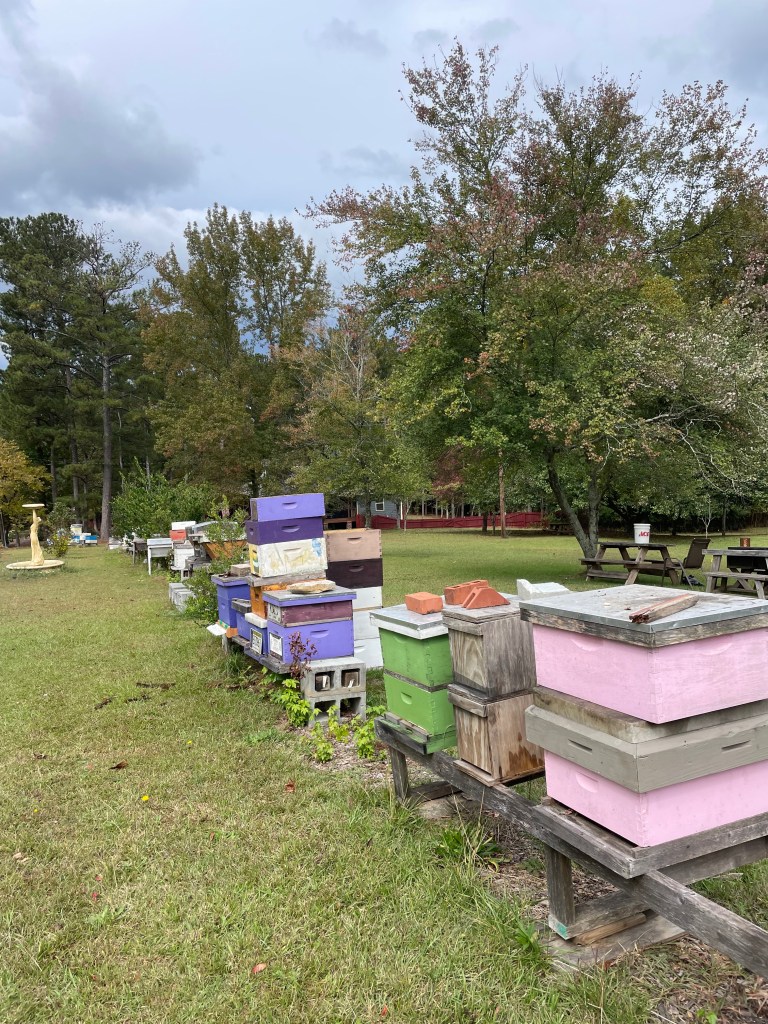
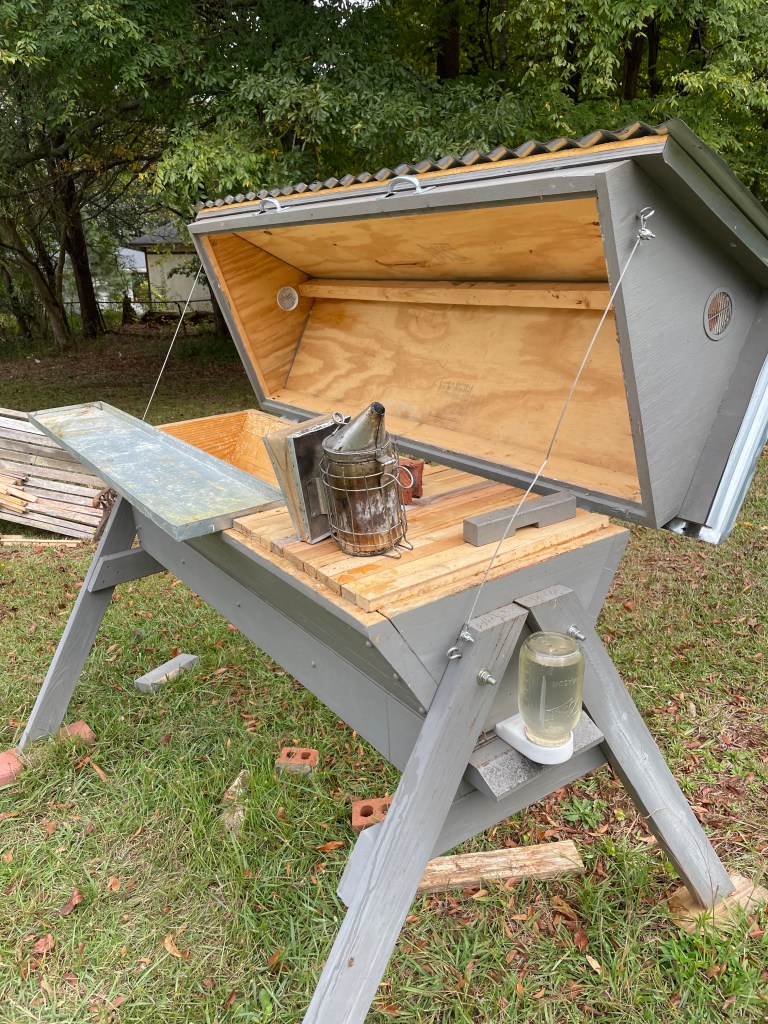
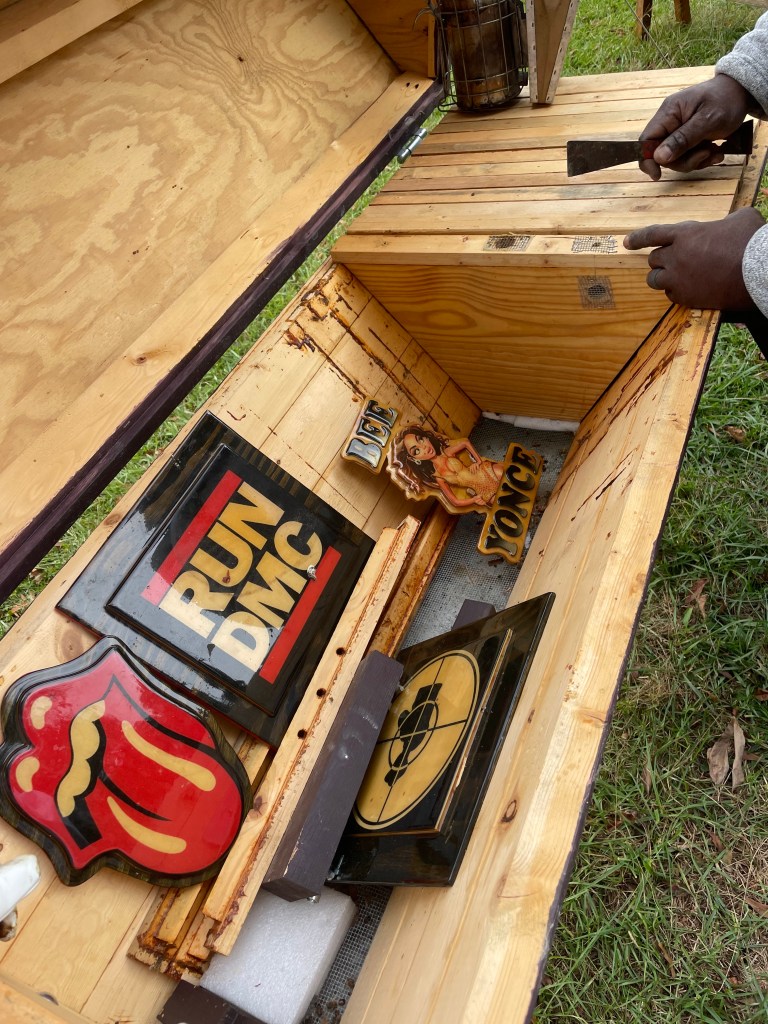
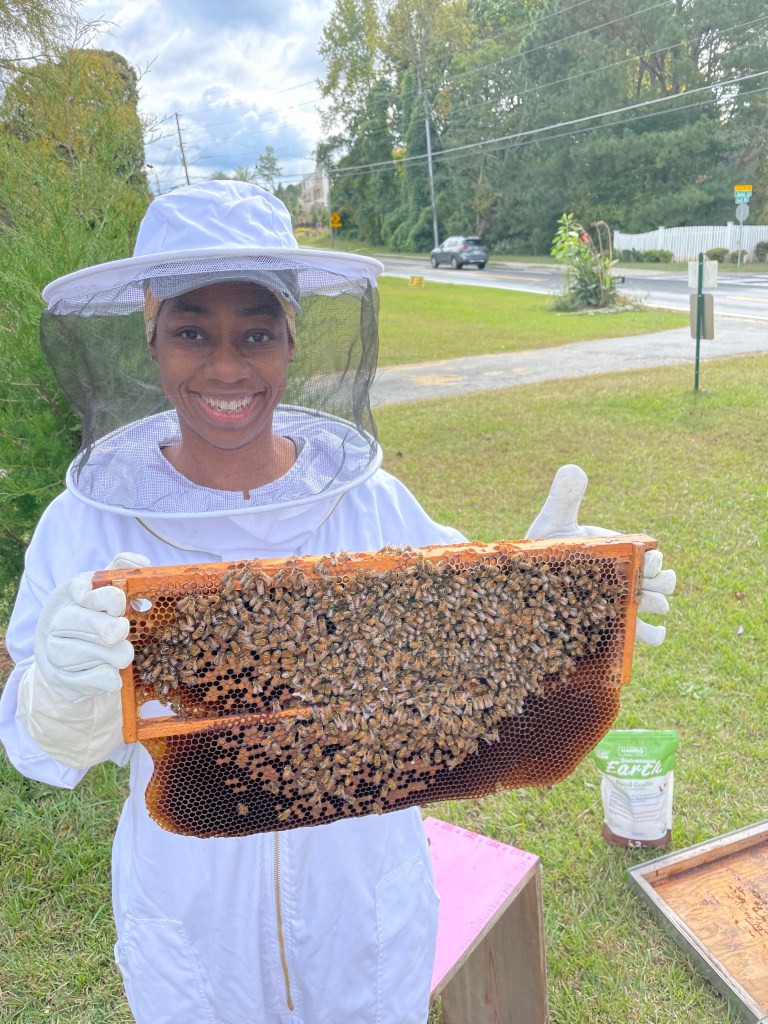
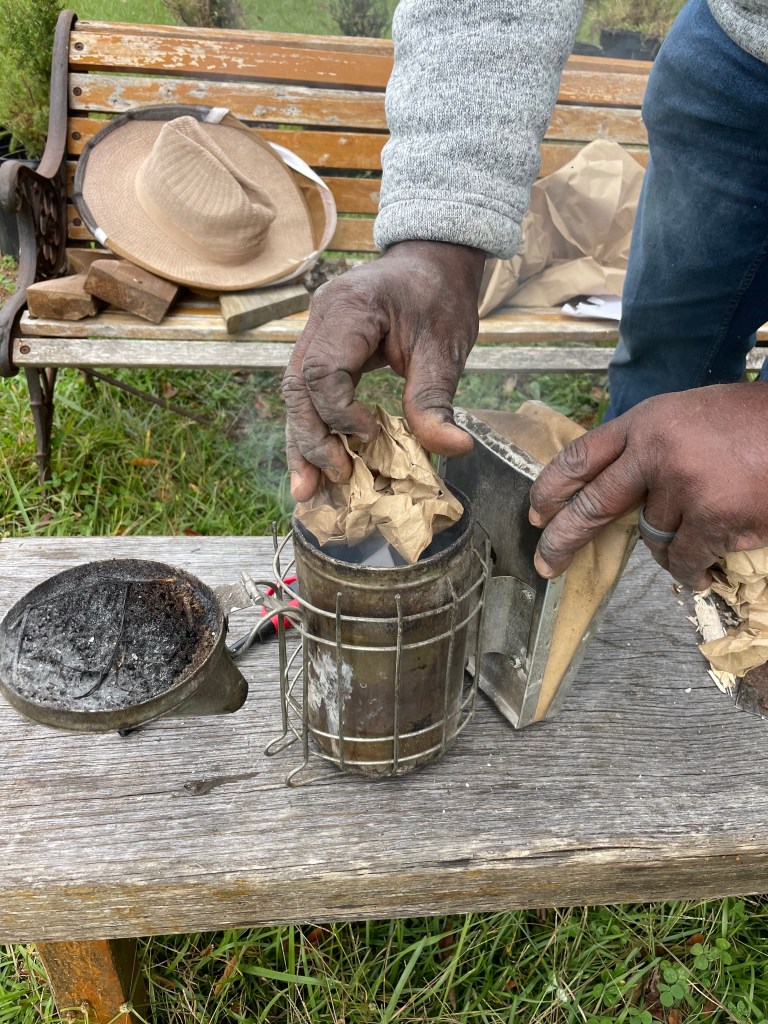

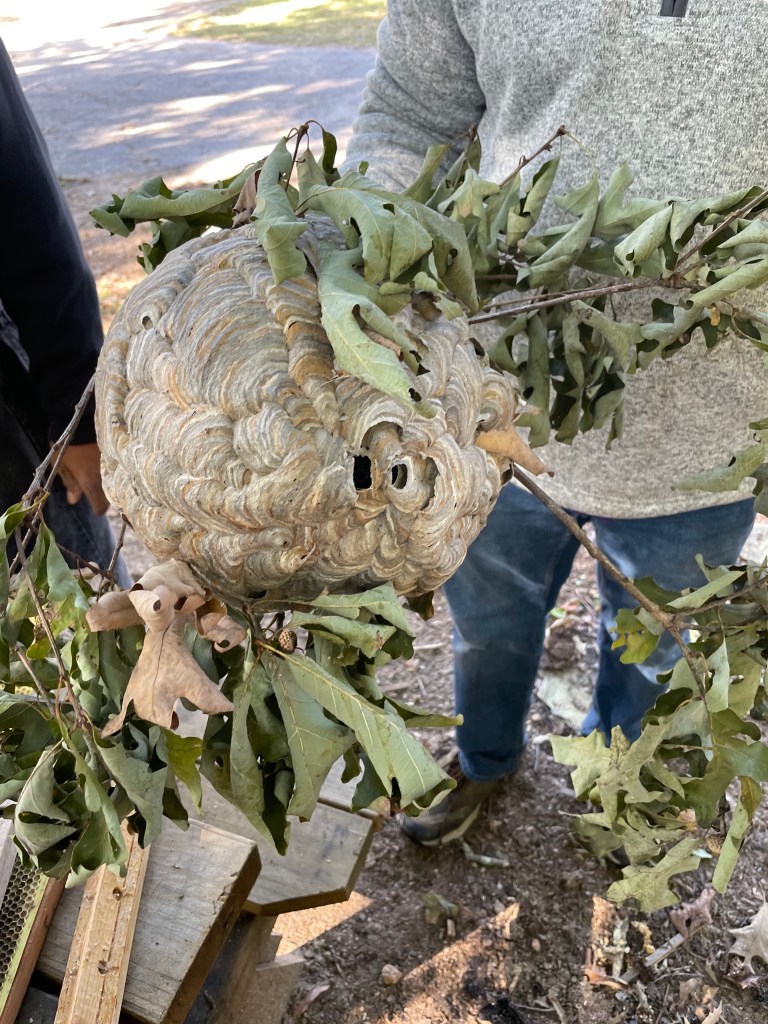
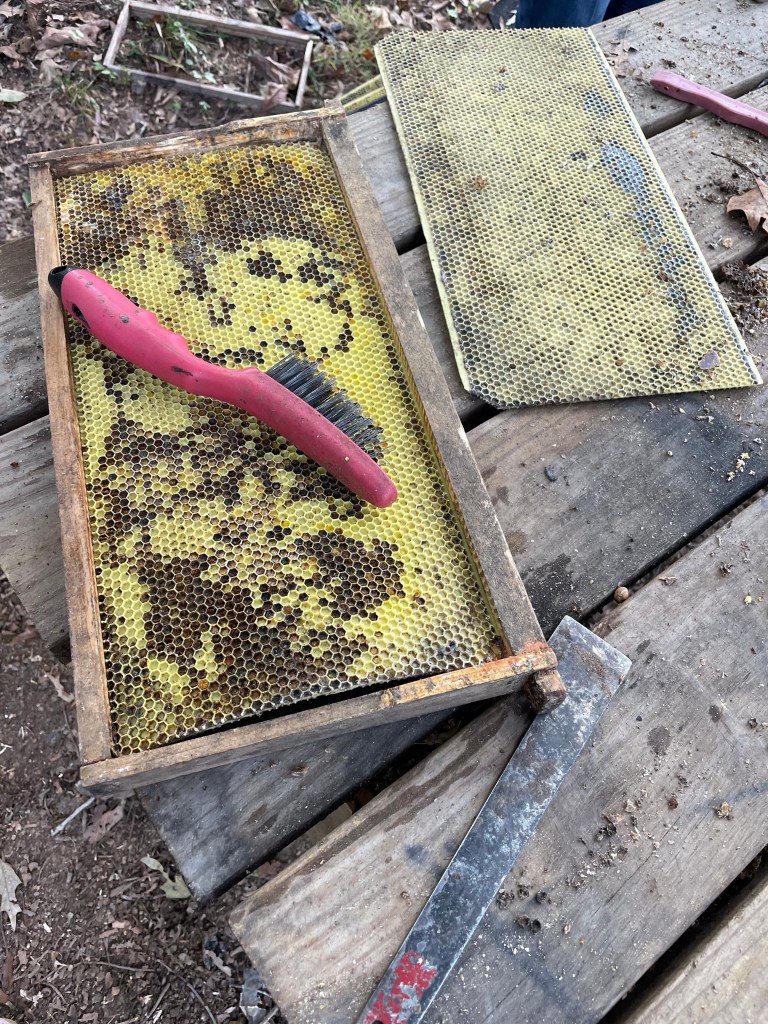
Last month, I manifested an apprenticeship with a Black commercial beekeeper. While our principles of beekeeping couldn’t possibly be less aligned, the opportunity to gain firsthand experience as it is widely practiced is critical to me identifying necessary deviations. My mentor is patient and kind in answering all of my (many) questions. He quickly recognized that they come from a place of seeking understanding – not judgment. I am a student. I have four more months until “beekeeping season” (when my bees will move into their new homes) to continue using my waiting room as my classroom. I’m grateful for the space and time to develop a beekeeping practice that aligns with my values and feels good to me. Each week, I get closer to becoming the wild beekeeper I want to be.
 Uhuru Farms
4 responses to “BECOMING A BLACK BEEKEEPER”
Great Post
LikeLiked by 1 person
Thank you 🙂
LikeLike
Yasss🙌🏾!
The bee rant we didn’t know we needed😄💯!
Love to see you shaking things up.
Your bees are going to be so happy!
LikeLiked by 1 person
LOL! I’m here to serve 😉 Thanks for your encouragement!
LikeLiked by 1 person